
Got Questions?
Frequently Asked Questions
Everything you need to know about microcement. Can't find what you're looking for? Reach out and we'll be happy to help.
Frequently Asked Questions
What is microcement?
Microcement is a thin cement-based finish system used to create a continuous surface. Some existing tile, concrete, or other stable assemblies may be suitable after bond, movement, moisture, height, transitions, preparation, room use, and the selected system are reviewed. Removal or repair is still required when the existing surface does not qualify.
Is microcement suitable for bathrooms?
Microcement may be specified for suitable bathroom surfaces when the complete assembly, waterproofing responsibilities, substrate, movement, drains, transitions, finish system, sealer, and cure time are confirmed.
Can microcement go over existing tile?
Sometimes. Existing tile must be sound and suitable, and adhesion, movement, moisture, grout lines, height changes, transitions, and preparation must be reviewed first. Removal or repair may still be required.
How much does microcement cost?
Microcement finish application starts at $25 per square foot, with a $5,000 minimum project. Preparation is additional because it depends on the existing surface, repairs, reinforcement, levelling, edges, transitions, access, travel, and project responsibilities. See our pricing guide, then send photos and rough measurements for an initial review.
How long does microcement last?
Service life varies with substrate movement, preparation, product system, room use, impacts, cleaning, moisture, maintenance, and repair history. A lifespan is not promised without a project-specific written warranty or product document.
Is microcement slippery?
Texture and approved additives can change slip characteristics, but suitability depends on the selected product system, location, cleaning, slope, footwear, and wet conditions. Required slip performance must be specified before the finish is chosen.
Can microcement be used on floors?
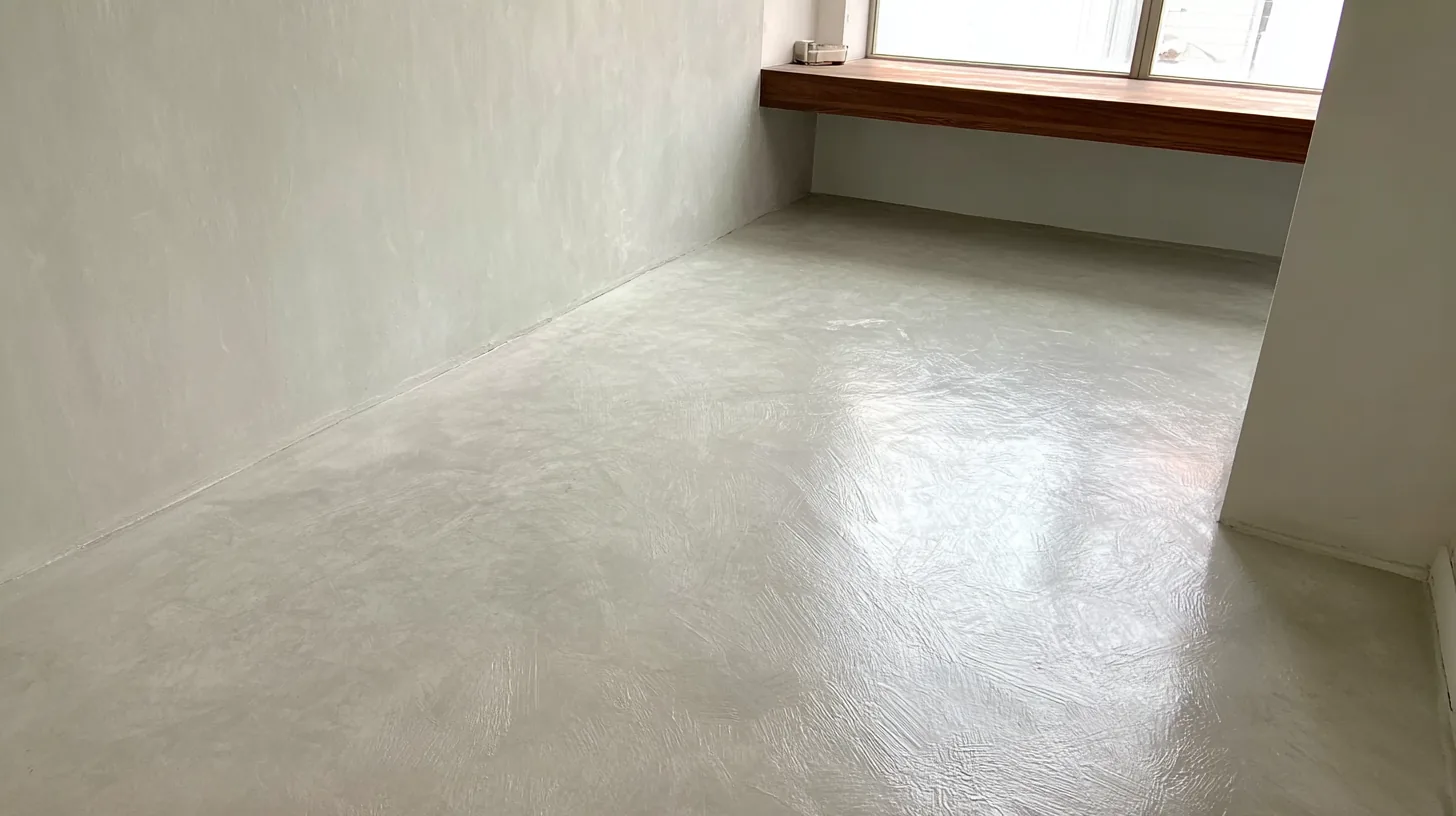
Microcement can create a continuous cement-look floor on suitable substrates. Concrete, tile, plywood, movement, moisture, transitions, heating, traffic, texture, and maintenance requirements must be reviewed first.
What colors are available?
Colour availability depends on the selected product system. Samples are used to compare tone, movement, texture, and sheen with the room's lighting and surrounding finishes before a final direction is approved.
How do I clean and maintain microcement?
Cleaning and maintenance follow the selected system's written guidance. In general, abrasive tools and harsh or acidic chemicals may damage the finish or sealer; the project care guide controls.
Can microcement be used for countertops?
Yes. Microcement can create seamless countertops and vanity tops when the surface, use case, and sealer are appropriate. Heat, standing water, edge details, and daily wear all need to be discussed before specifying the finish.
Is microcement good for heated floors?
Some microcement floor systems may be compatible with in-floor heating when the substrate, heating protocol, movement control, reinforcement, cure schedule, and manufacturer instructions are all suitable. This must be confirmed for the proposed assembly.
Can microcement crack?
Microcement can reflect movement or cracking from the substrate and surrounding construction. Surface preparation and reinforcement can reduce risk, but they do not make a moving substrate crack-proof. Existing cracks and movement sources must be evaluated before work.
Still Have Questions?
Send your project location, photos, rough size, current surface, intended use, and timing for an initial review.